Why Most Clinicians Miss UARS And Why That Has to Change
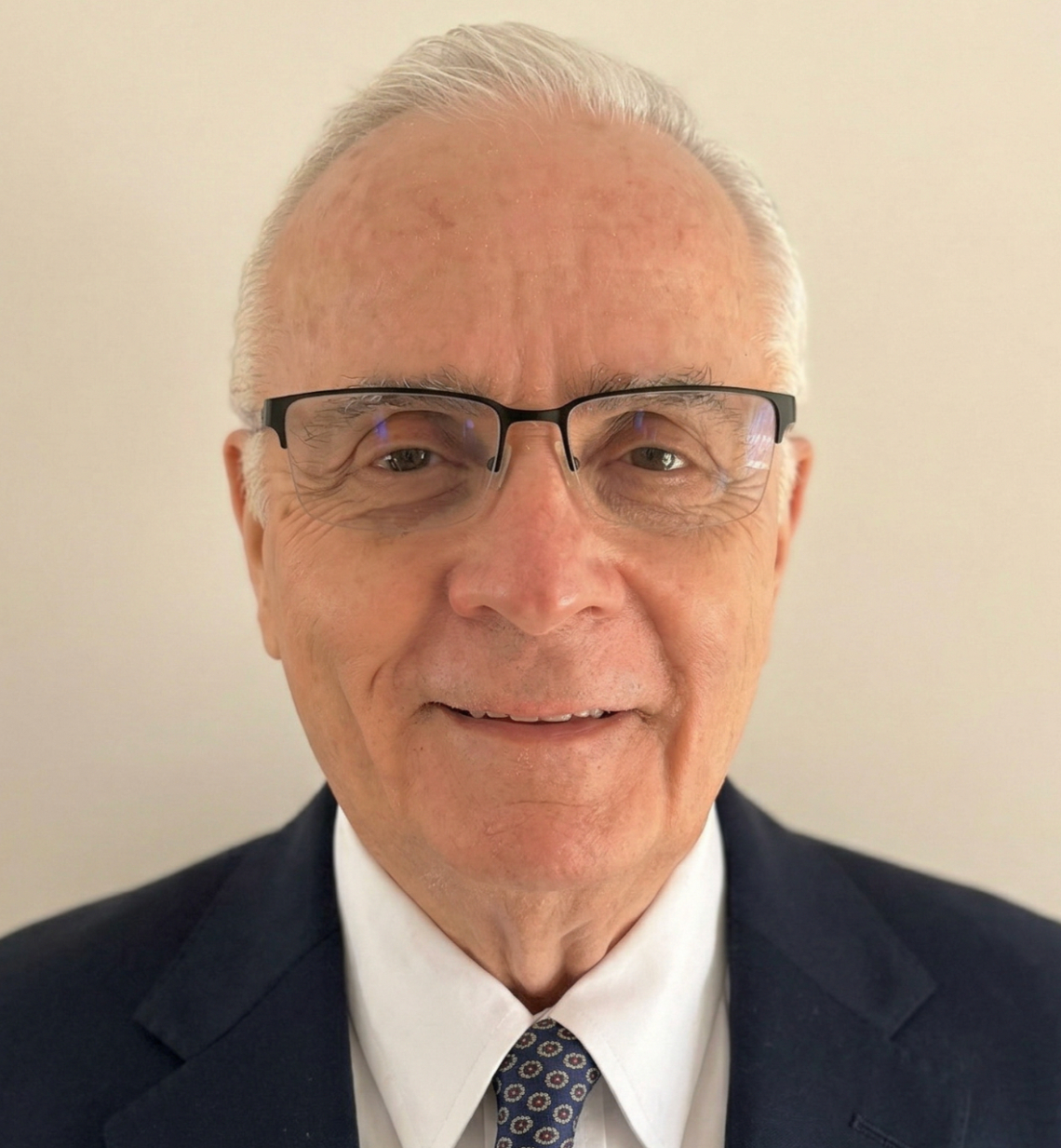
Updated: 3 days ago

I want to start with something that took me longer than I am proud to admit to figure out.
The patients with undiagnosed sleep related breathing problems are not somewhere else in the healthcare system. They are not being caught by their primary care physician or managed by a sleep specialist who has it handled. They are in your chairs right now. They have been for years.
And most of us have no idea.
The Practice You Already Have Is a Sleep Practice
Here is a statistic that should stop every dentist in their tracks. People with sleep disorders visit their healthcare providers 10 times more than people without them. 10 times.
That means your most recurring patients — the ones with the broken teeth, the new crown every two years, the split tooth, the grinding that never resolves — are disproportionately likely to have an undiagnosed sleep-related breathing disorder. They are chronic because the underlying problem is chronic. And we keep treating the result without ever finding the cause.
When I started connecting these dots in my own practice, it was a genuine epiphany. I looked at the medical histories I had been glancing at for years — the diabetes, the hypertension, the anxiety, the depression — and I realized I had been reading them wrong. I was treating them as background noise. A list of things other providers were handling. Things that did not relate to me.
They relate entirely to us.
Every one of those comorbidities is a documented downstream effect of untreated sleep related breathing disorder. The blood pressure that will not normalize on medication. The blood sugar that keeps creeping up. The anxiety that does not respond to antidepressants the way it should. These are not separate problems. In a significant percentage of our patients, they are one problem wearing different masks.
I was guilty of the same blind spot every dentist has. I looked at the medical history form as something I was obliged to review, not as a clinical tool. Once I understood what I was actually looking at, everything changed.
The Patient Nobody Suspects
If I asked you to picture a sleep apnea patient right now, you would probably picture the same person most clinicians picture. Overweight. Middle aged. Male. Loud snorer. Falling asleep at red lights.
That patient exists. And they usually get found eventually.
The patients I am worried about look nothing like that.
UARS patients are more likely to be female than male, two to one. Before menopause, the ratio for obstructive sleep apnea is nine to two in favor of men. Which means the entire medical and dental profession has been conditioned, consciously or not, to look past the very patients who need attention most.
She is thinner. She is younger. She does not snore much. Her blood pressure is actually low, not elevated. She has jaw pain in the morning, fatigue nobody can explain, irritable bowel, anxiety and she has been on antidepressants for two years that are not really working.
Why is UARS more prevalent in women? Because they are more petite. Smaller people with narrower facial structures, dolichocephalic features and narrow jaws. They do not need a collapsing airway to have a problem. All they need is a diminished airway volume, a little nasal congestion, and the loss of muscle tone that comes with falling asleep. That is enough to generate an event.
Add polycystic ovarian syndrome to the picture and the risk increases 30 times. Women with PCOS have elevated testosterone levels, which cause permanent adiposity inside the airway. The lumen is narrower from the inside. It does not resolve with weight loss. It is structural. And because PCOS appears in the medical record, you already have that information if you are looking for it.
Her doctor has told her she is stressed. She is perimenopausal. She has a lot on her plate. She gets Adderall. She gets antianxiety medication. Her blood sugar creeps up and now she is on something for that too. She develops atrial fibrillation and gets medication for that. She is viewed as a complex patient with multiple problems.
Nobody has connected those problems to her airway.
She is already in your practice. She has been for years.
What the Sleep Study Is Missing
Here is where the system breaks down completely.
UARS patients can have 50 to 60 respiratory events per hour. Every single one of those events comes with a micro arousal. To put that in perspective, that is double what qualifies as severe obstructive sleep apnea. These patients are not sleeping. They are surviving the night in a state of constant physiological stress.
But their oxygen never drops enough to trigger a flag on a standard sleep study.
So the study comes back clean. The physician reads it, sees nothing alarming and tells the patient they are fine.
I want to tell you about something that happened this year at a national dental sleep medicine meeting. Two young physicians were lecturing on sleep medicine. I asked one of them a direct question at the end: What would you do with a patient who has no significant oxygen desaturation, but 50 respiratory effort-related arousals per hour, high blood pressure, and is suicidal?
The room went quiet.
She said, "I don't know."
That is not an indictment of one physician. That is the state of sleep medicine in this country. At a national meeting, with an expert on the podium, the answer to one of the most common clinical scenarios we see in a dental practice was "I don't know."
Physicians are not looking for what so many of our patients actually have. Arousals not associated with a drop in oxygen saturation are not on their radar. And if they are not on the radar of the specialists, they are certainly not being caught in primary care.
Which means the dentist is often the last line of defense for these patients.
Why UARS Is Not Mild Sleep Apnea
This distinction matters more than almost anything else I can tell you, because getting it wrong has real consequences for your patients.
UARS is not a lighter version of obstructive sleep apnea. It is a fundamentally different condition with different physiology and, in many cases, far worse subjective symptoms.
Here is what is actually happening. With obstructive sleep apnea, the airway collapses. Oxygen drops. Chemoreceptors in the respiratory tract detect the drop and trigger an arousal. The patient wakes up briefly, stabilizes and falls back asleep. Over years, snoring vibrations damage those chemoreceptors. The alarm system degrades. The body becomes less responsive to oxygen drops. That is why untreated sleep apnea becomes more dangerous with age.
With UARS, the airway does not collapse. Oxygen does not drop significantly. The chemoreceptors are quiet. But mechanoreceptors — the sensors that detect physical changes in airway volume — are intact, sensitive and firing constantly. Every time the airway narrows even slightly. Twenty, thirty, fifty times an hour. The patient is pulled from deep sleep over and over with no oxygen drop and no flag on the sleep report.
And those fifty arousals per hour are releasing cortisol and adrenaline each time. The heart rate spikes. Blood pressure climbs. Blood sugar rises. The sympathetic nervous system is in a state of chronic activation all night long.
UARS patients subjectively report worse sleep quality than patients with severe obstructive sleep apnea. I have seen patients with mild AHI readings who were more symptomatic, more impaired and more medically complicated than patients with AHI scores three times higher.
Christian Guilleminault from Stanford, who is widely regarded as the father of modern sleep medicine, said UARS and sleep apnea are fixed by the same strategies. CPAP works. Oral airway therapy devices work. The only problem is recognition. And when a patient is told their sleep study is mild or inconclusive and nothing is done, they are getting, in my opinion, genuinely harmful advice.
I tell those patients: bring me your sleep study. Let me look at it. Because mild is not the same as fine.
What Bruxism Is Actually Telling You
Every dentist reading this has a bruxism patient. Probably many of them.
I want you to reframe the way you think about what is happening when that patient grinds.
They are not grinding because they are stressed. Stress may keep them awake. But the moment they lose consciousness, stress is not driving the bruxism. Something else is.
Research we conducted at the University of Texas showed something that fundamentally changed how I think about this. When patients were observed during alleged grinding events, their tongue was moving out of the throat. Oxygen saturation went up. They were not grinding their teeth. They were advancing the jaw to open the airway and breathe better. The teeth are collateral damage.
Think about what that means clinically. If a patient has a Class I occlusion where the lower jaw overlaps the upper jaw in normal bite position, why are the front teeth wearing flat? Because that jaw is being driven forward hundreds of times a night by a body trying to survive.
And they can only do this in light sleep. Deep sleep requires muscle relaxation. To brux, the body has to be in Stage 2, in shallow sleep, in a state of partial arousal. So they are working their muscles all night long. When they wake up, their jaw is aching, their head is pounding and they are exhausted.
Sleep bruxism carries an automatic 67% likelihood of an underlying sleep disorder. Not a possibility. A statistical likelihood. If a patient is grinding, they need a sleep evaluation. That is not an aggressive clinical position. That is following the evidence.
And if you put the wrong appliance in that patient's mouth without addressing the airway, you have made the problem worse. A flat permissive night guard lets the jaw slide back during sleep. The tongue follows it. The airway gets tighter. You intended to protect the teeth. You worsened the condition driving the bruxism.
That is why I am on a mission to educate dentists about this. Not because we are doing anything wrong intentionally. Because we were never taught what we needed to know.
What You Can Do Starting Now
I am not asking you to become a sleep physician. That is not our lane.
But I am asking us to stop pretending the airway is someone else's problem when the evidence is right there in the mouth in front of us.
Look at the tongue. A scalloped, crenated tongue is working all night, contracting to pull itself out of the throat. Abfractions at the gum line. Wear patterns that do not match the patient's age. These findings are highly indicative of a sleep related breathing problem. You can tell in a heartbeat, without almost any questions, that a patient needs a sleep evaluation.
Then ask the right questions.
How do you feel when you wake up in the morning? Do you grind? Do you snore? Do you wake up with a dry mouth? Do you get up at night to use the bathroom? Is there a family history of sleep problems?
And ask this one too, because it is almost never asked: Do you ever get creepy, crawly, crampy feelings in your legs in the afternoon or evening that get worse toward bedtime? Did you have growing pains as a child?
If the answer is yes to both, that patient very likely has restless leg syndrome. You do not need a sleep study to identify it. The history tells you. It is undertreated, commonly missed, and directly associated with bruxism. It is a significant risk factor for stroke. And the intervention can be as simple as oral iron supplementation and gabapentin in coordination with the patient's physician.
When I find a patient with these signs, I send a form letter to their primary care physician. It describes our mutual patient's clinical findings — the enlarged tongue, the mouth breathing, the nocturia, the jaw pain on waking — and states that these are well documented risk factors for undiagnosed sleep related breathing disorder. I include airway imaging if I have it. I recommend a sleep study.
I send 20 to 25 of those letters a month. Two thirds of those patients come back on CPAP or are returned to me for an oral appliance. The physicians are grateful. The patients are grateful. And in some cases, we are catching things that would have ended very badly if nobody had looked.
The Dentist's Role
When I was in graduate school, my thesis advisor at Harvard told me something I have never forgotten. He said most of what I was studying in sleep medicine was not being taught there. Not at Harvard. He told me I had probably forgotten more than most physicians would ever know about sleep, simply because it was part of my professional obligation in dentistry.
I have had sleep apnea for most of my adult life. For 25 years, I was given sleeping pills and hypertension medication. Nobody connected my blood pressure to my airway. When I finally got on CPAP, my blood pressure dropped so significantly that my physician is now considering withdrawing the antihypertensive medication entirely.
I lived this. I know exactly what these patients are experiencing.
The awareness that would have changed my health outcomes was not coming from medicine. It had to come from within our own profession.
It still does.
We are the providers who look in the mouth twice a year. We see the tongue. We see the teeth. We hear about the jaw pain and the headaches and the fatigue. We are positioned to ask the questions nobody else is asking and to advocate for patients who have been cycling through the healthcare system for years without an answer.
The ownership, if we are going to make a difference, falls to us.
Open the mouth. Look. Ask the question. Send the letter.
That is where it starts.
Interested in learning more about this topic? Click here to learn about my upcoming CE courses.
Comments